
In Partnership With
Ontario Provincial Police | Durham Regional Police Service | LaSalle Police Service | Ottawa Police Service

About the Program
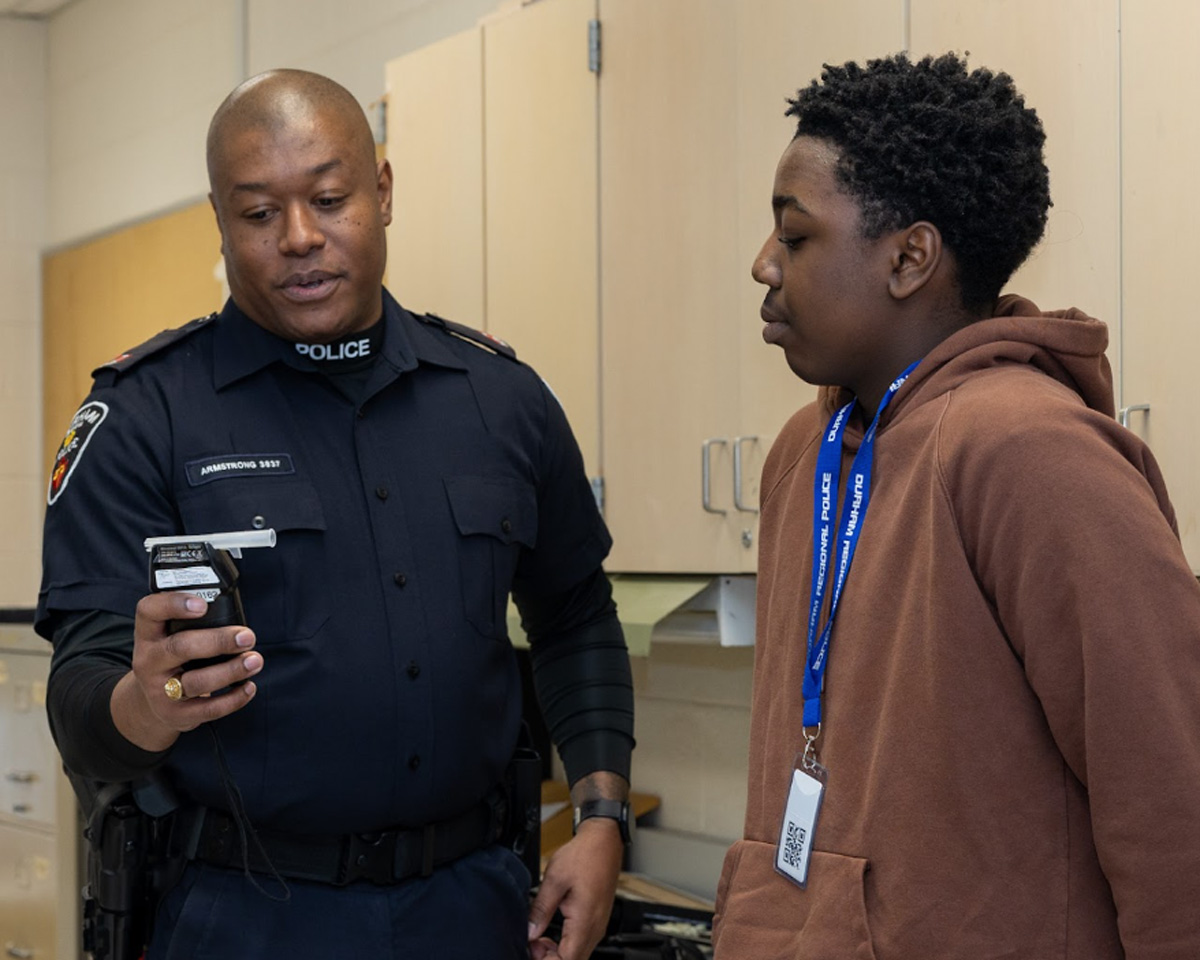
The Building Bridges Program is a relationship-first youth development initiative designed to foster trust, understanding, and meaningful connections between Black youth and Black law enforcement officers.
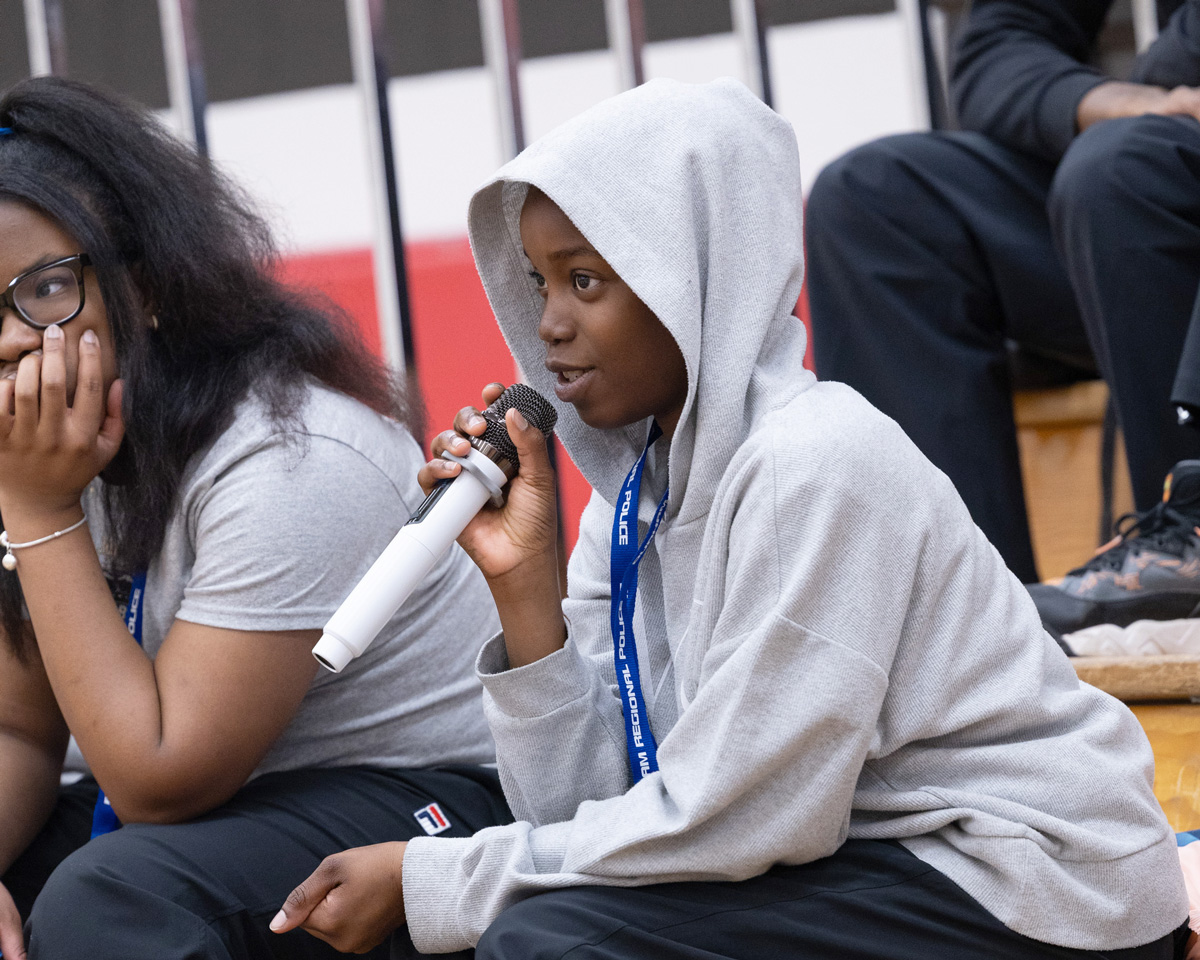
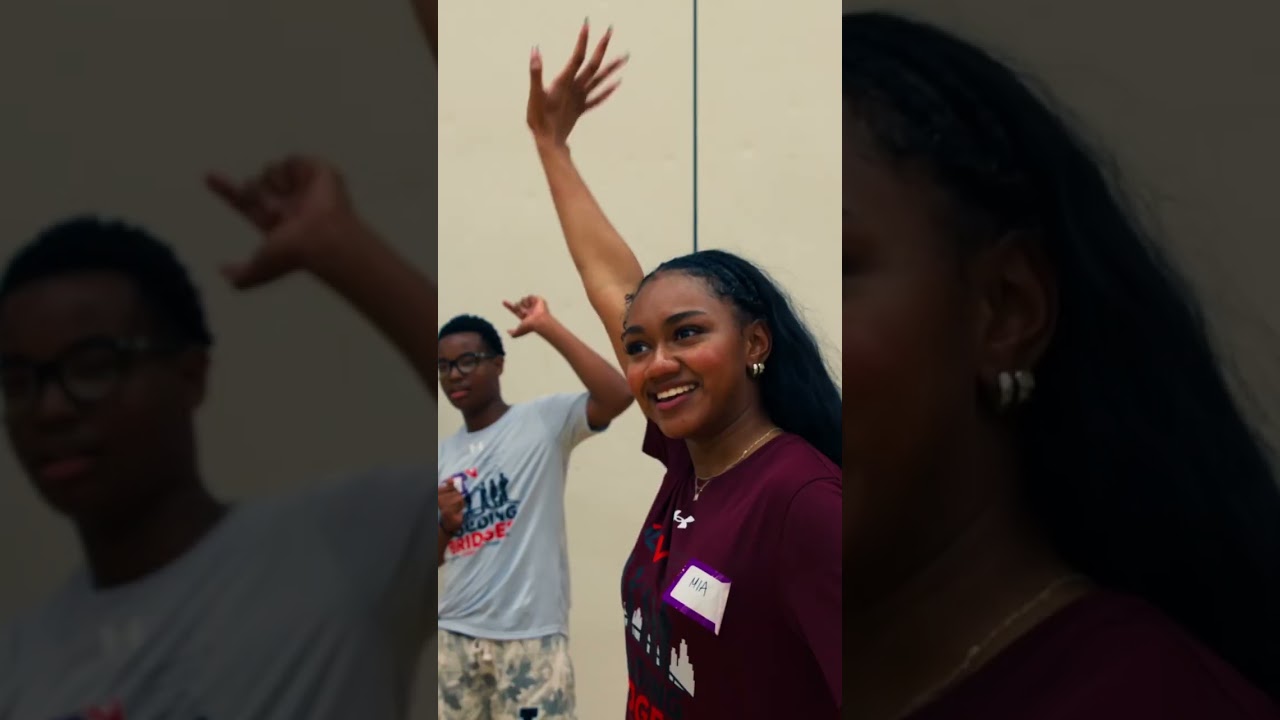
Through a combination of open dialogue, mentorship, and sport-based activities, the program creates a safe and inclusive space for youth to share their perspectives, ask questions, and engage in honest conversations. These interactions help break down barriers, challenge misconceptions, and build mutual respect between youth and law enforcement.
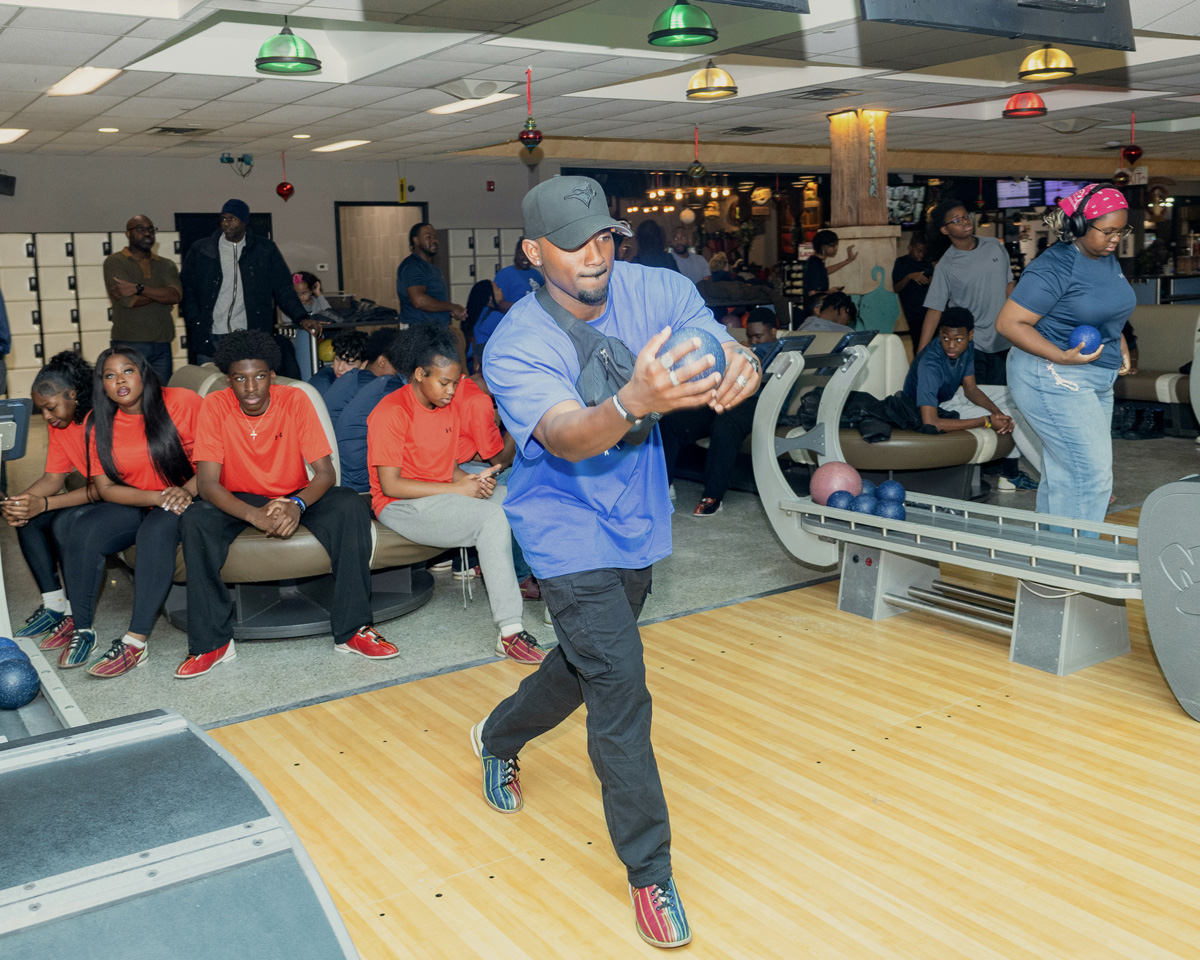
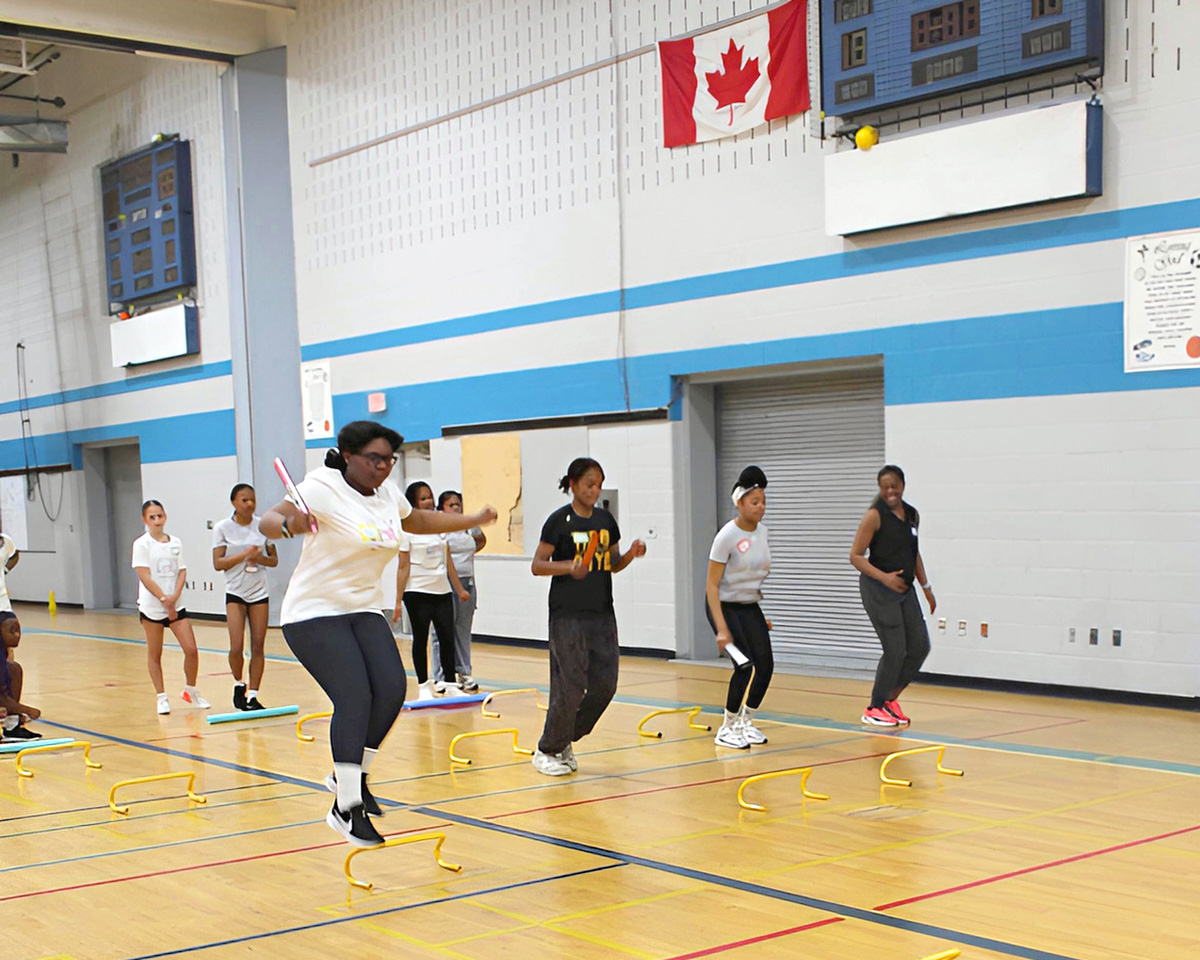
Sport plays a key role as a unifying tool—creating shared experiences, encouraging teamwork, and helping to build connections in a positive, non-enforcement environment.
Girls Empowerment Series (G.E.M.S.)
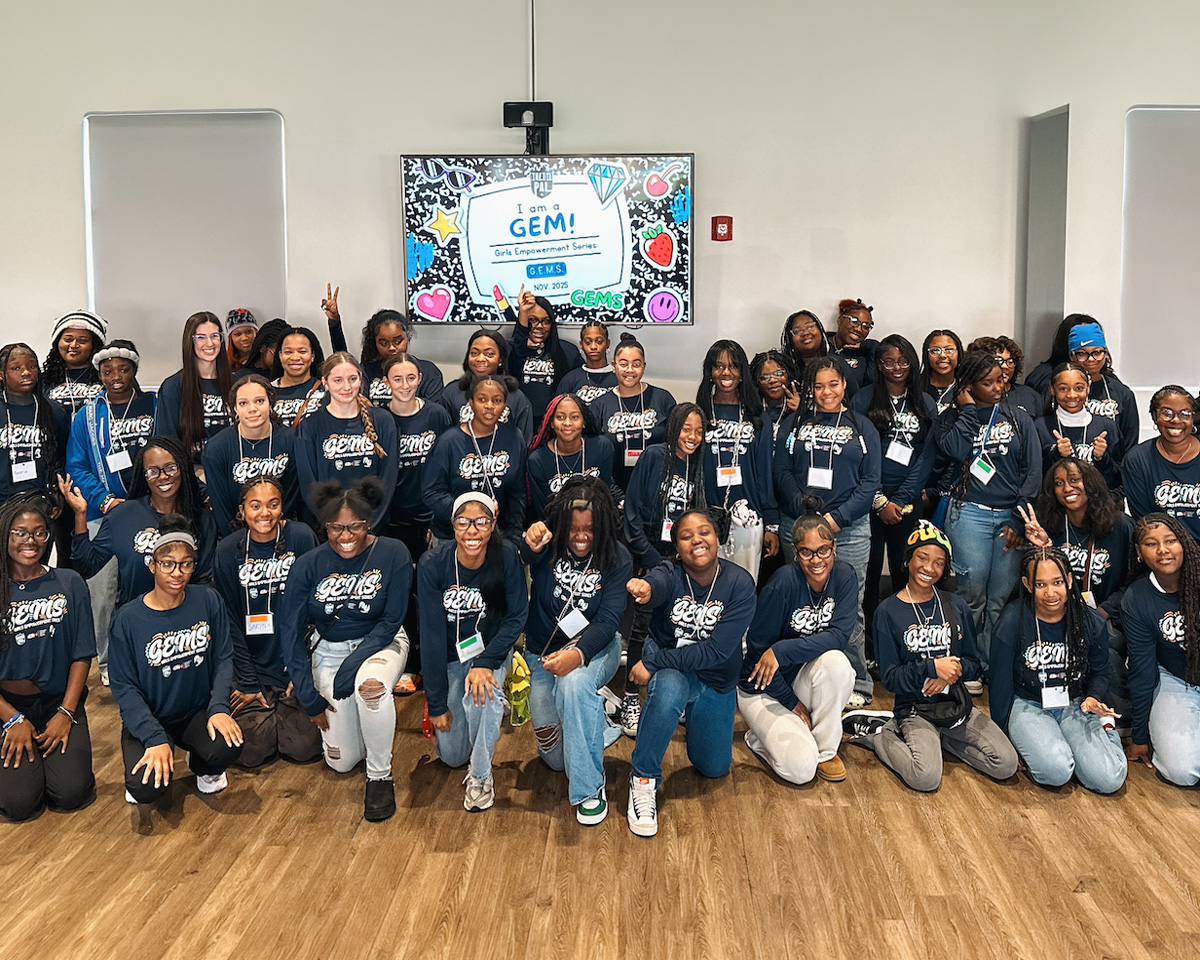
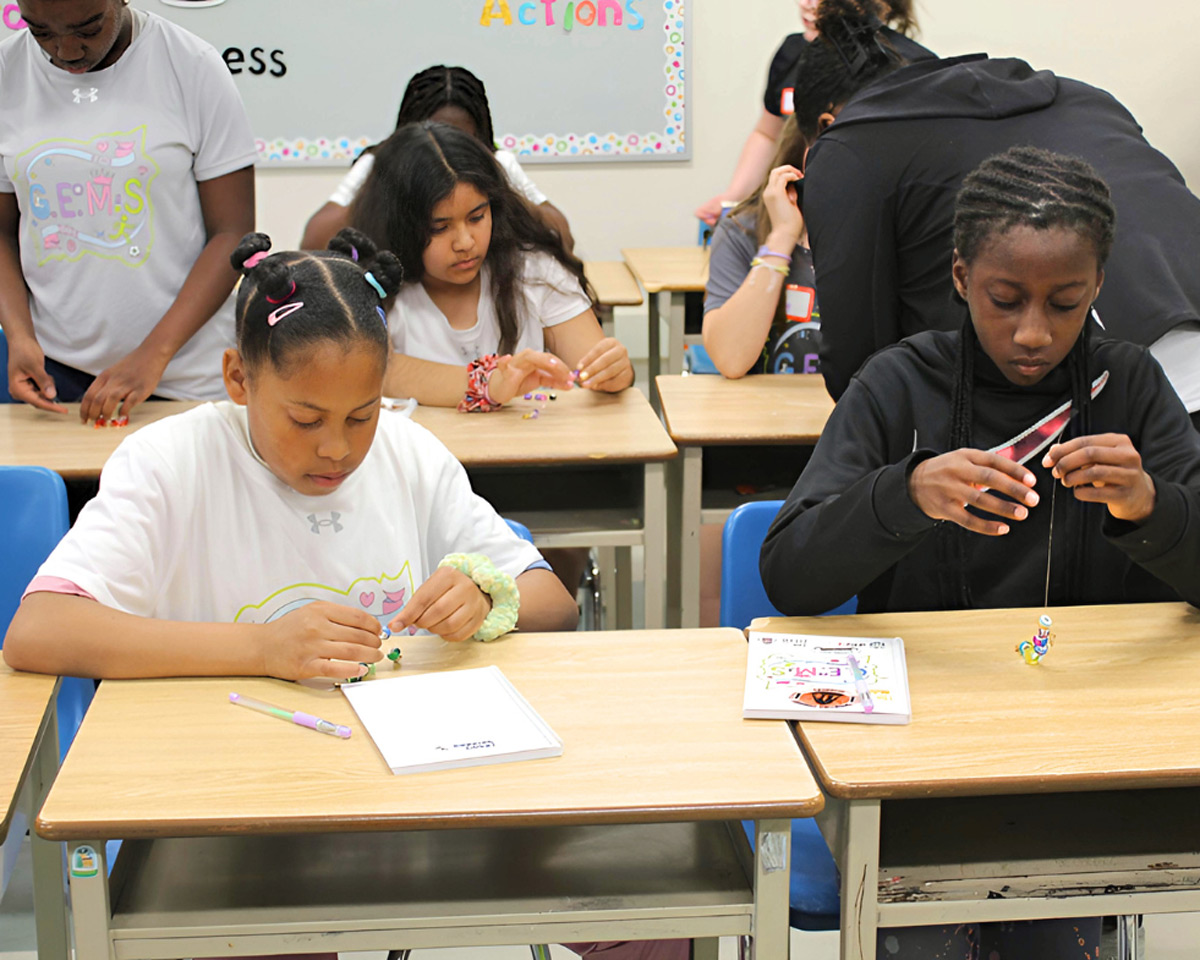
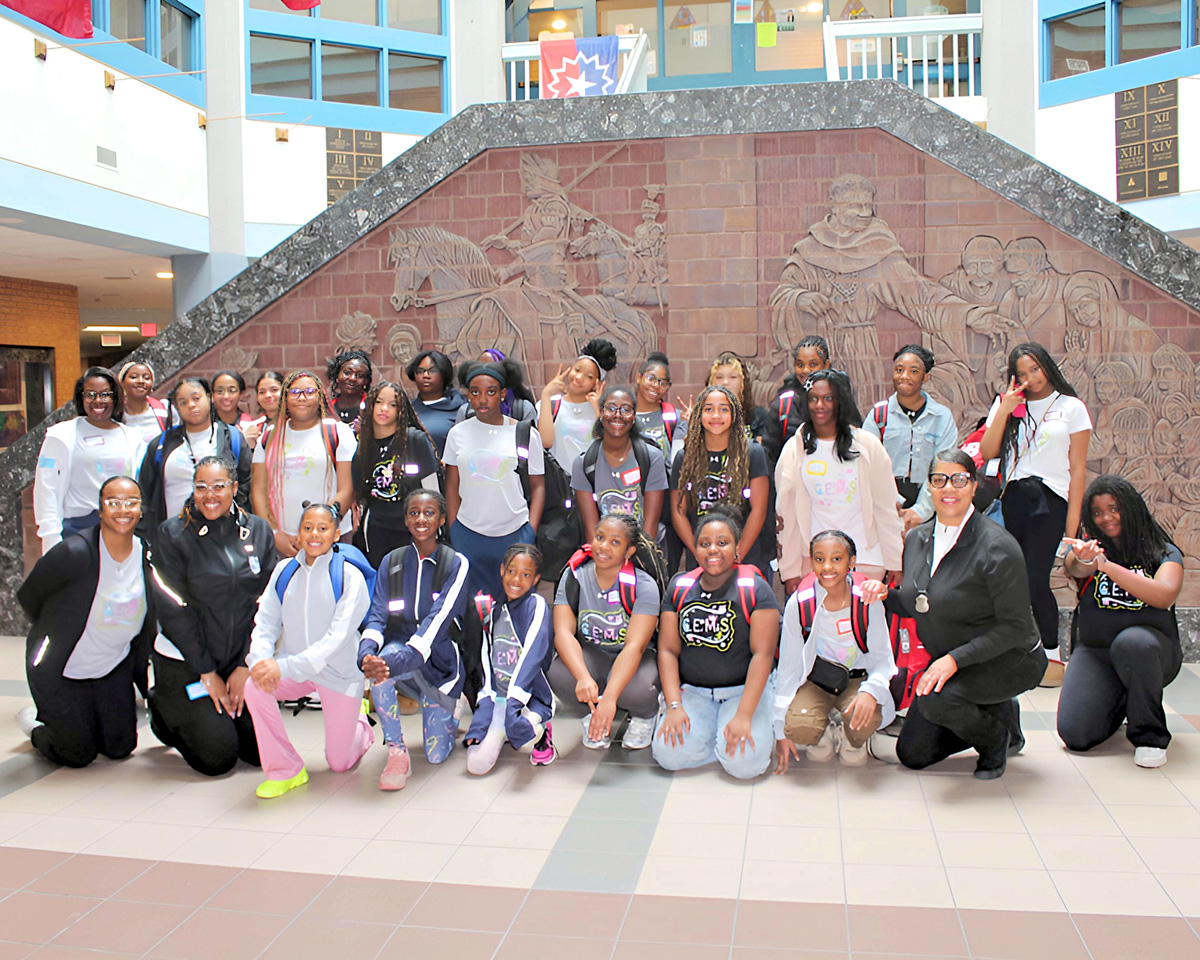
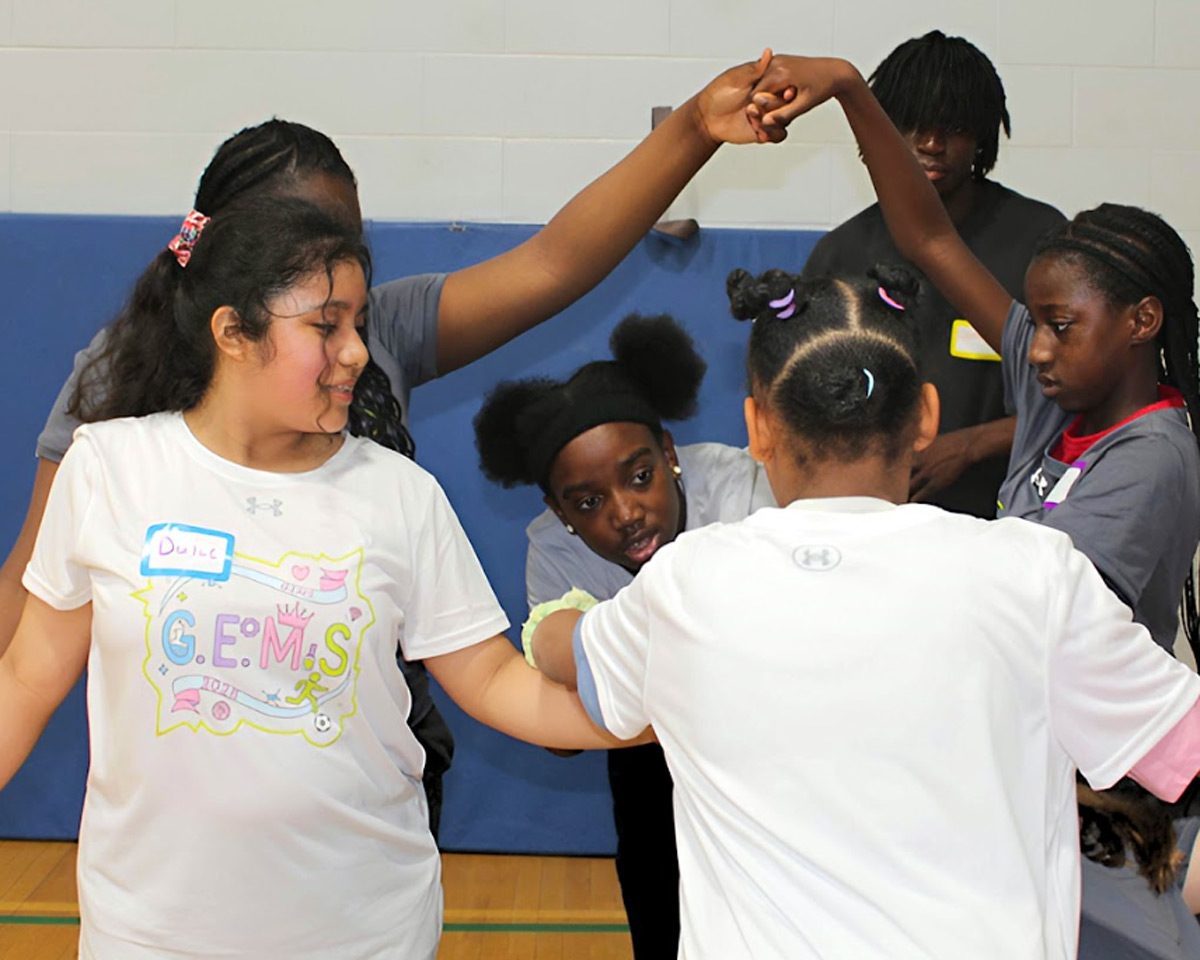
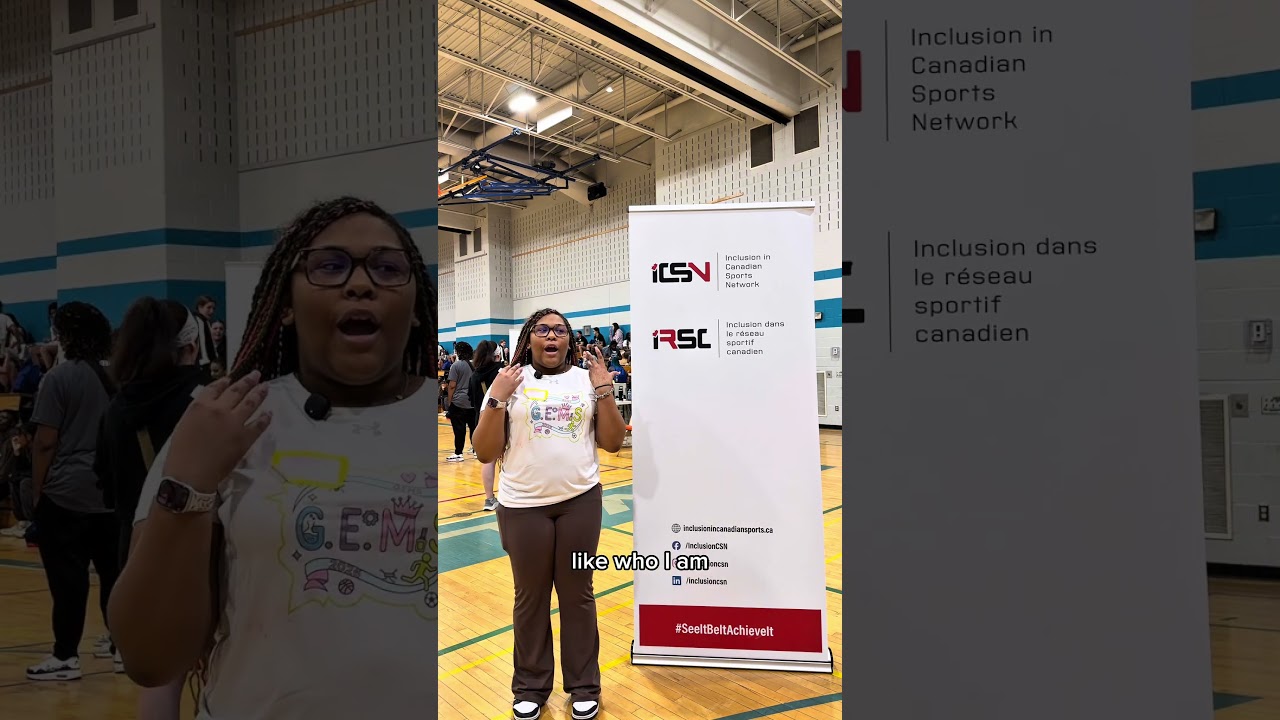
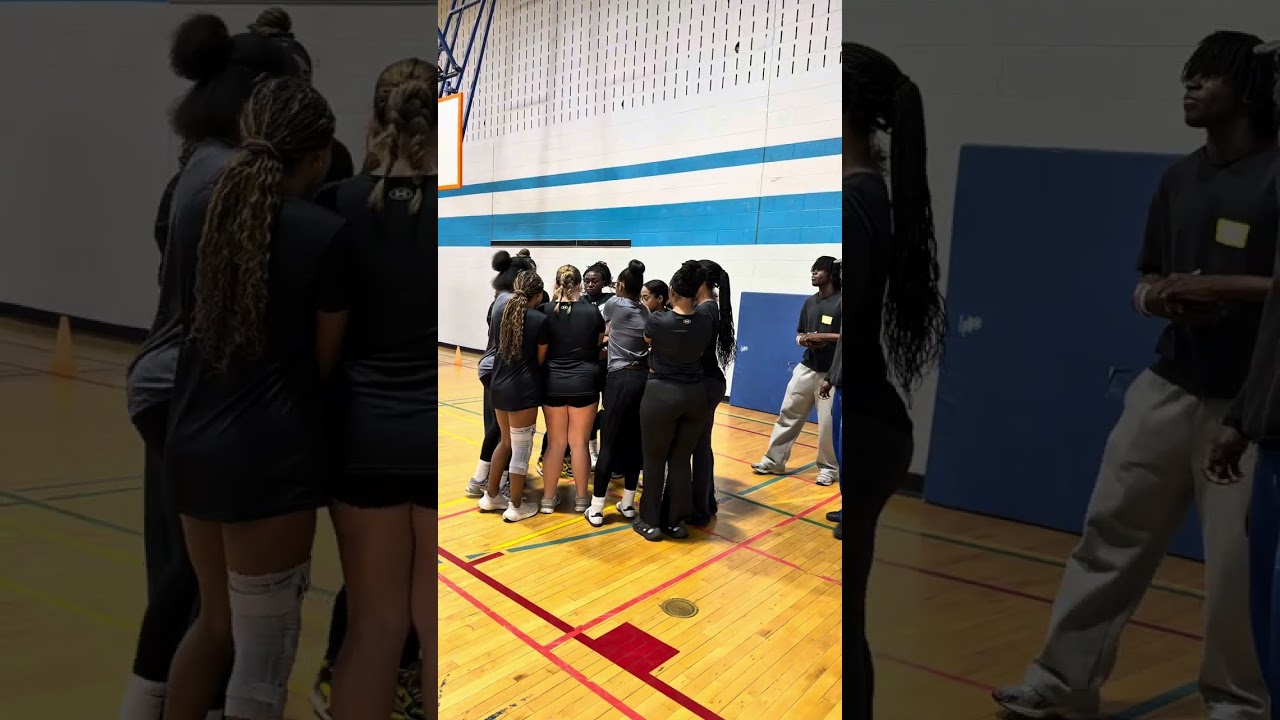
As a dedicated stream of the Building Bridges Program, G.E.M.S. empowers BIPOC girls and young women through sport, mentorship, leadership development, and community connection.
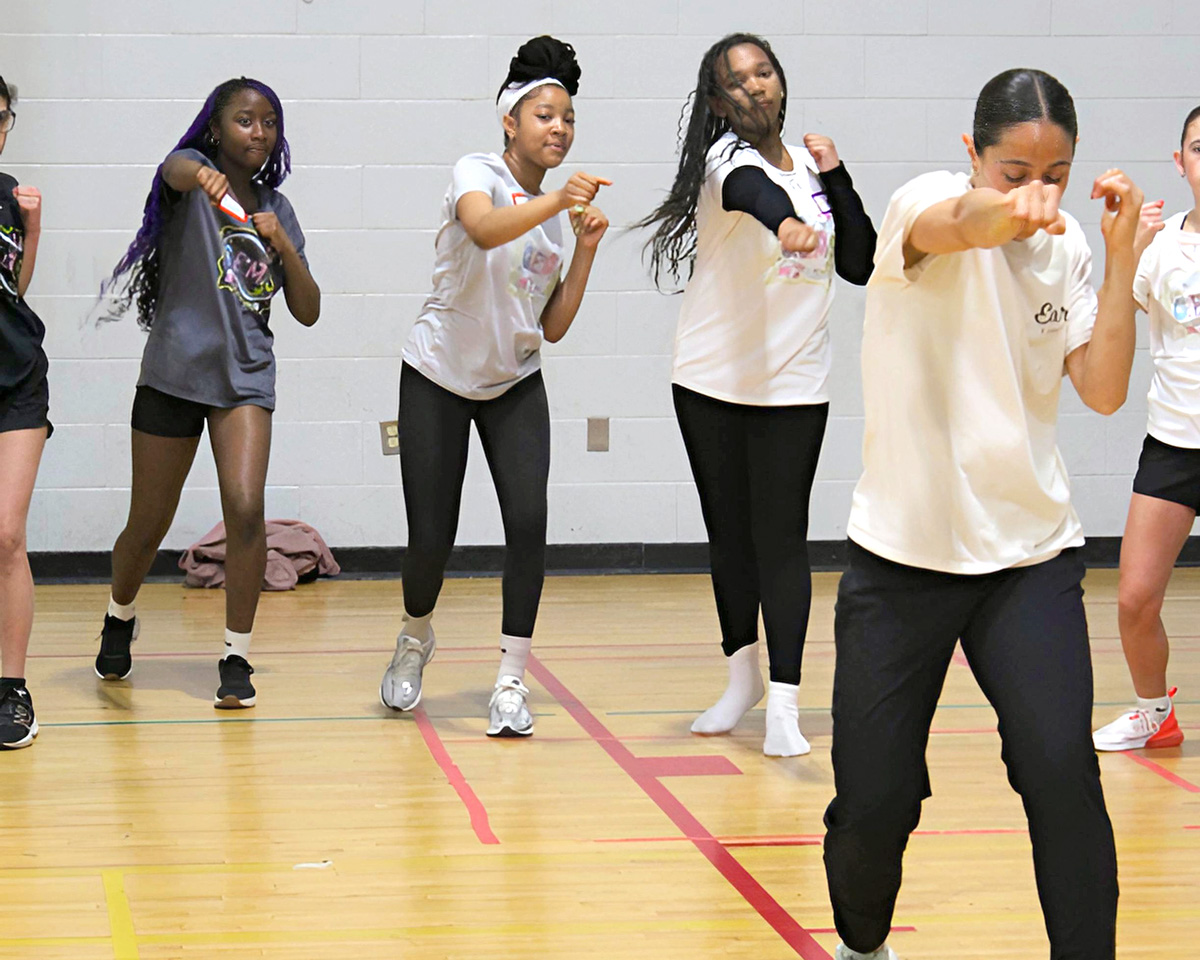
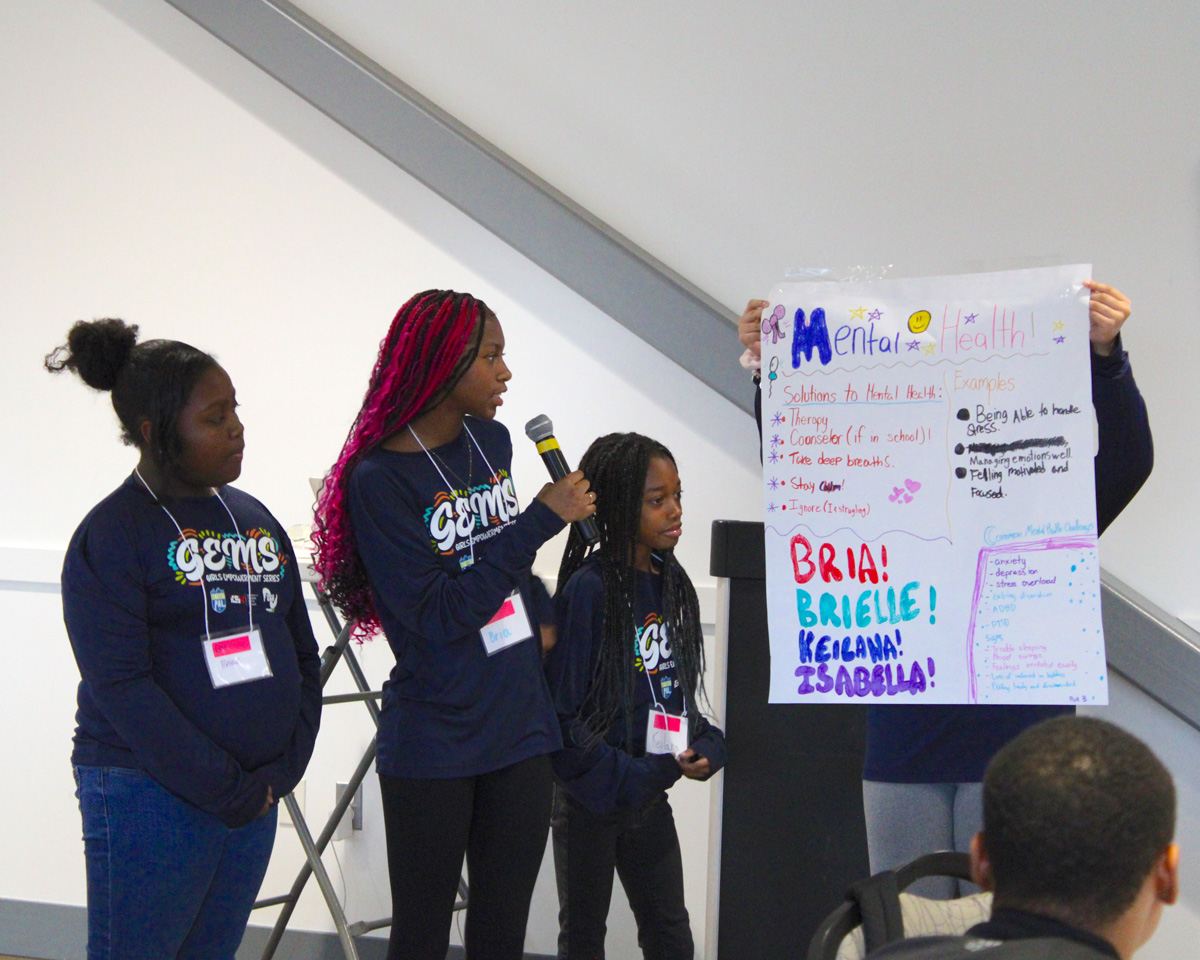
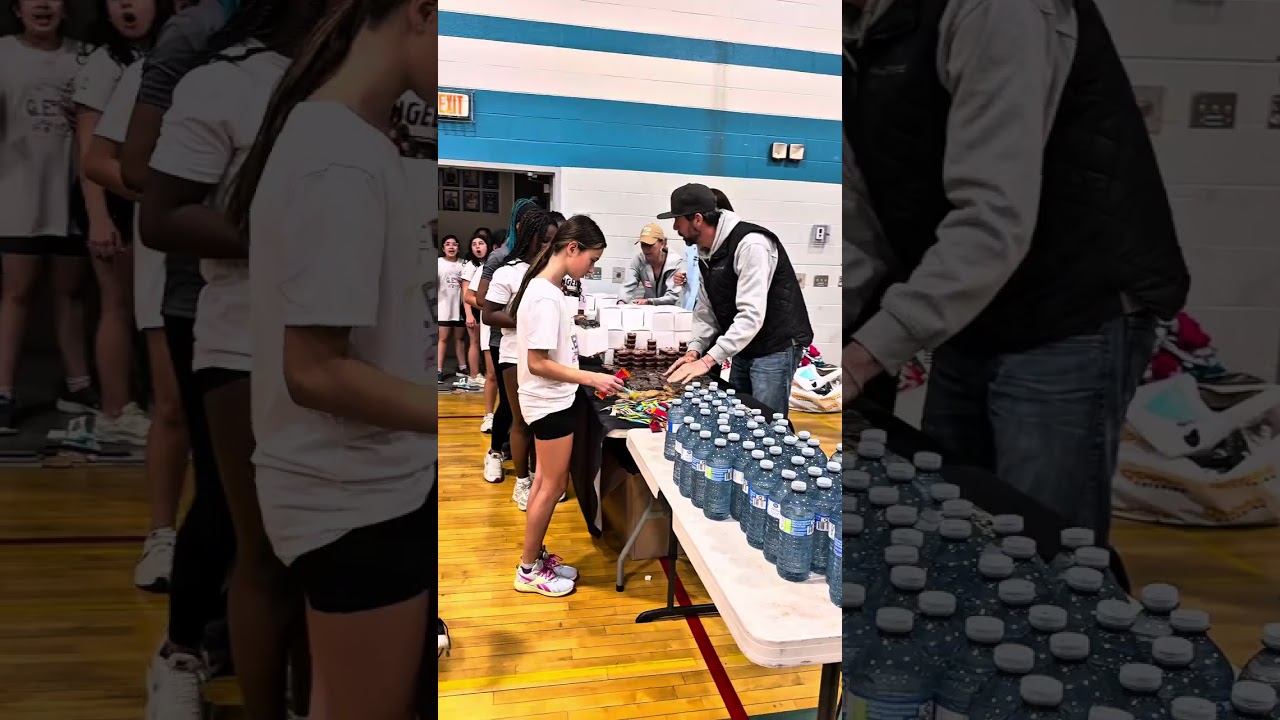
The series provides valuable opportunities for participants to connect with inspiring women, including athletes, law enforcement officers, and community leaders. By integrating structured physical activities, interactive workshops, and wellness education, G.E.M.S. pairs authentic representation with the essential tools that equip young women to shape their own futures and unlock their full potential.
For more information about the G.E.M.S Program or how to get involved, please contact: operations@inclusionincanadiansports.ca
Program Highlights
Connection & Mentorship
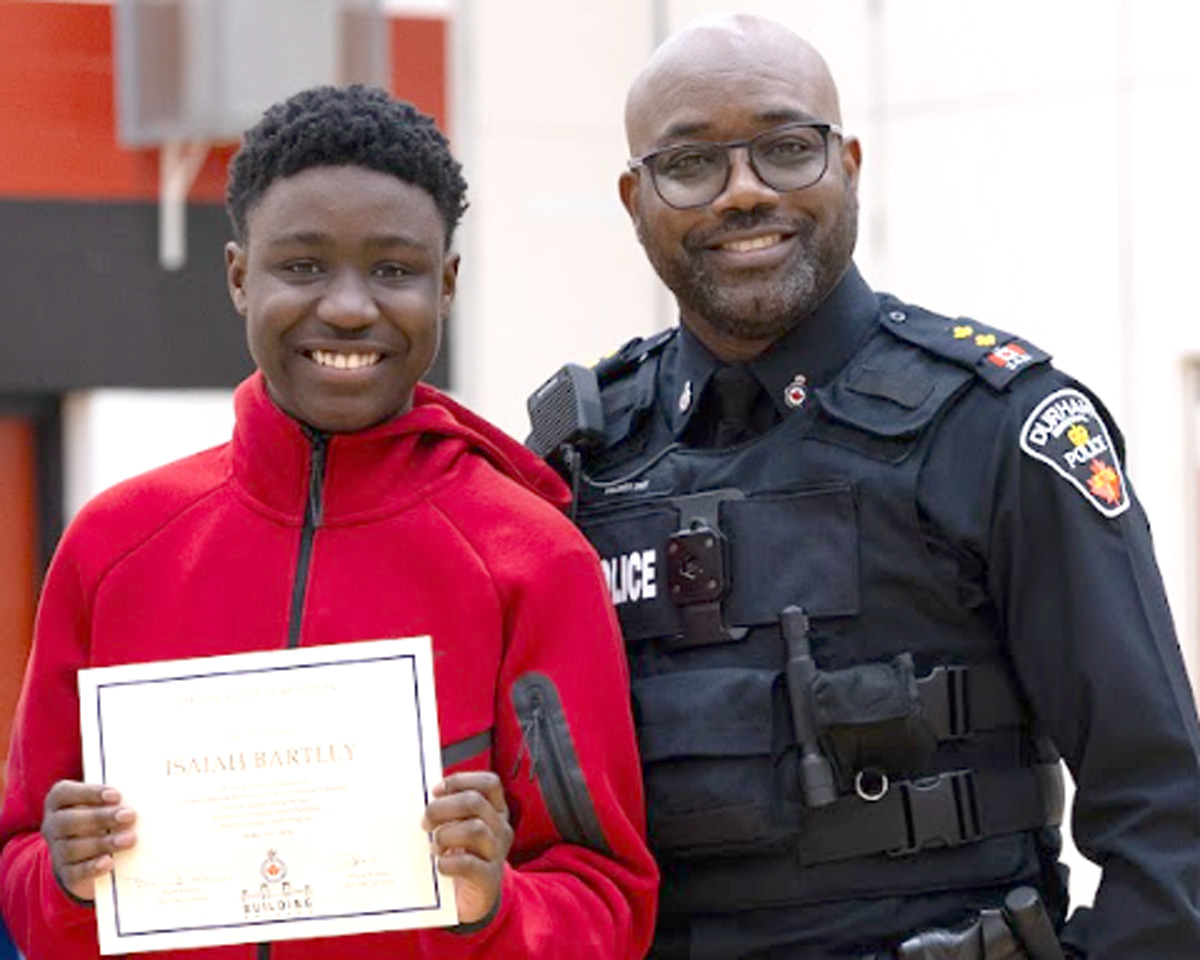
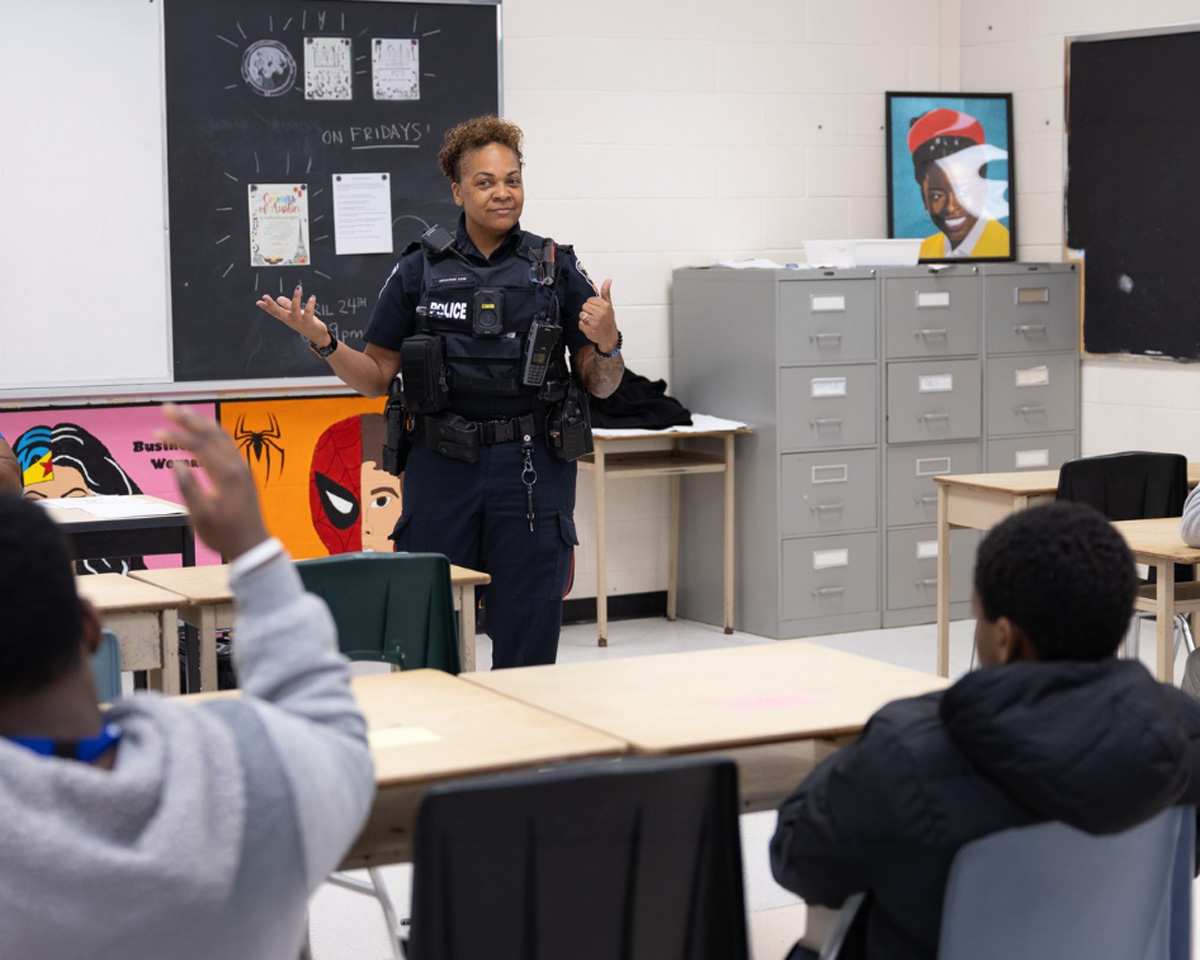
Build meaningful relationships with Black officers and peers in a supportive and welcoming environment.
Open Conversations
Engage in guided discussions that encourage honest dialogue, understanding, and confidence-building.
Skill-Building & Life Readiness
Develop communication, leadership, and problem-solving skills through interactive sessions and activities.
Career Exploration
Gain exposure to careers in policing, community services, and beyond through mentorship and hands-on experiences.

Certifications, Opportunities & Rewards
- NCCP (FMS) Certification
- HIGH FIVE Certification
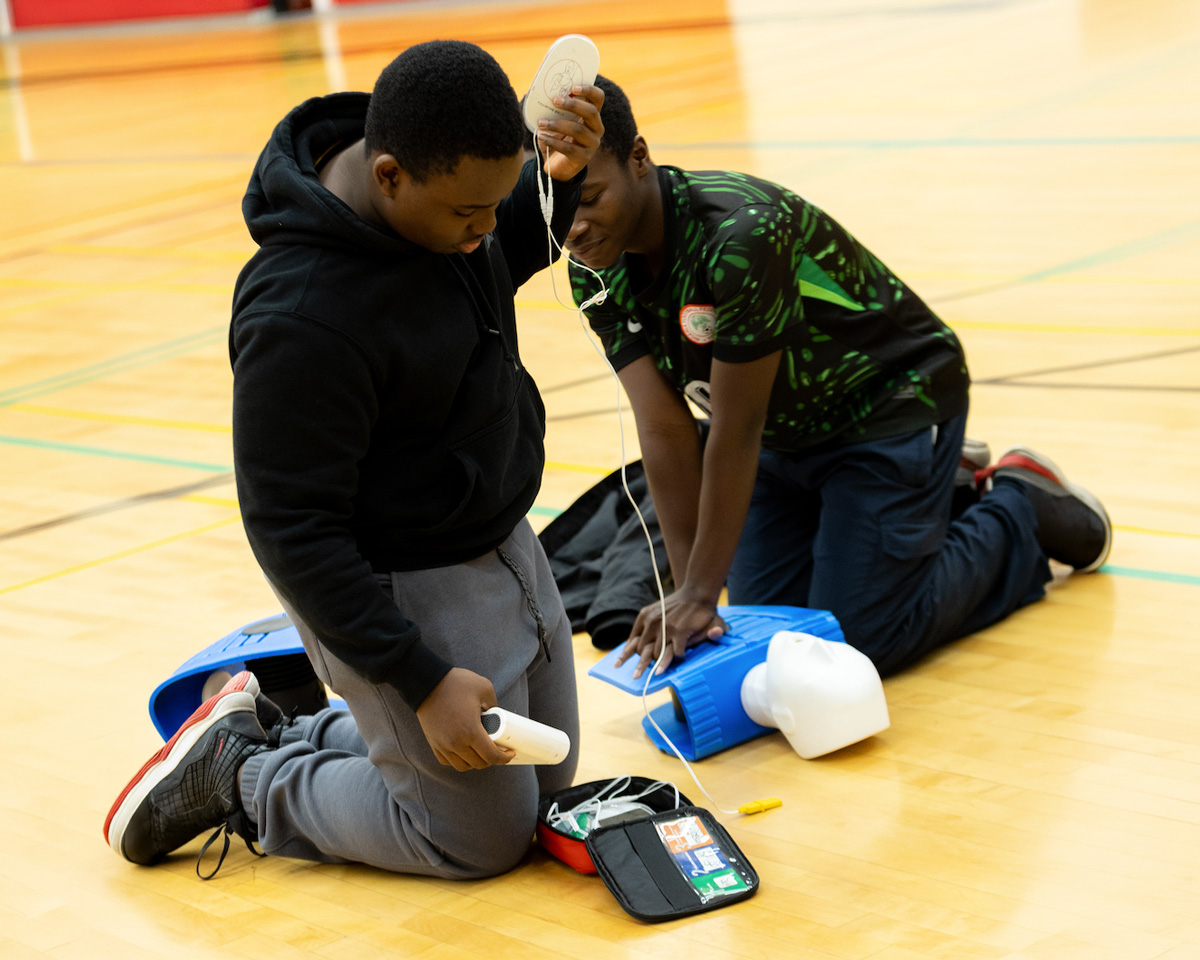
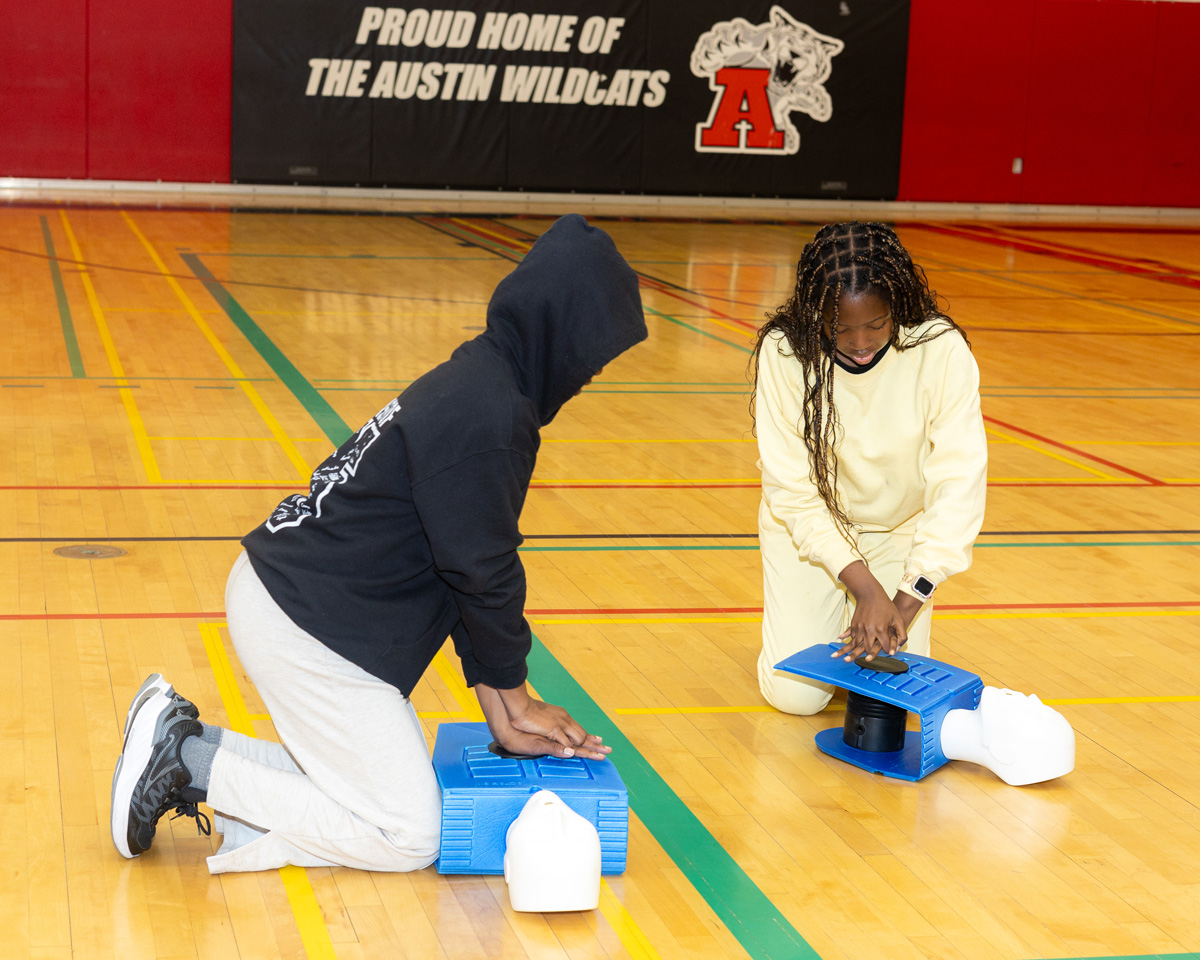
- Standard First Aid and CPR
- Volunteer and employment pathway opportunities

Program Facilitation
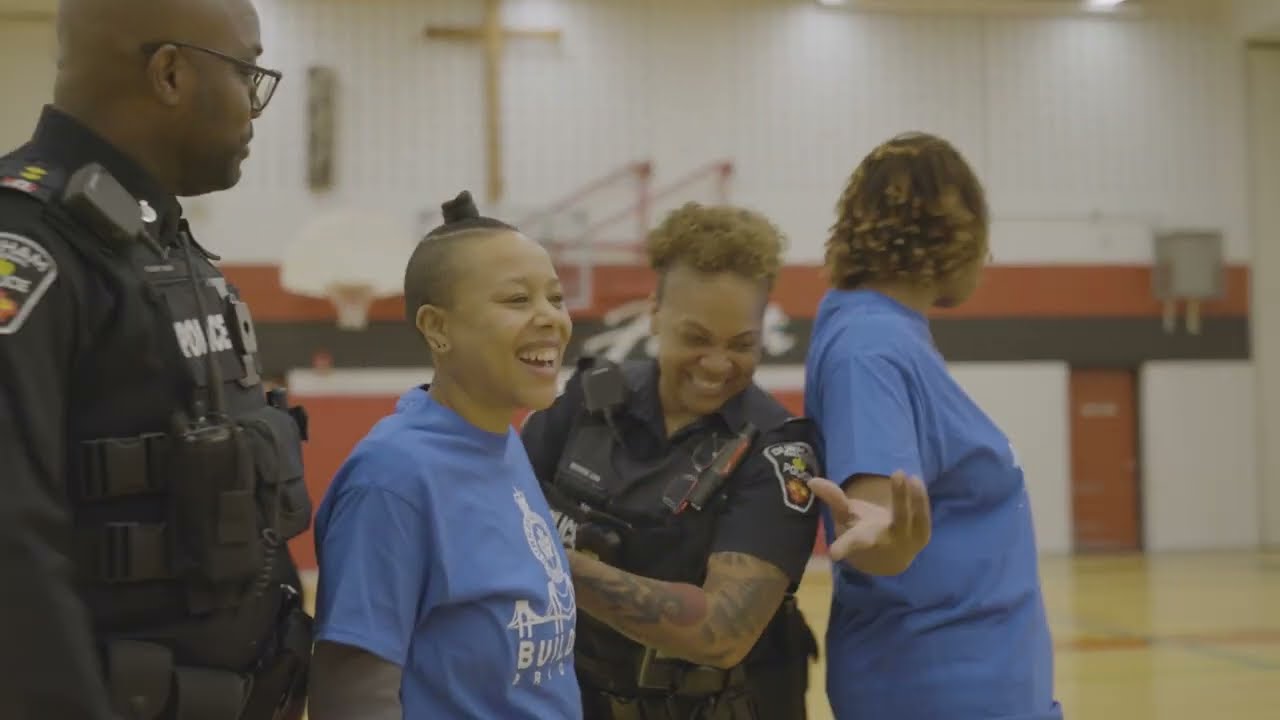
The program is co-led by Black officers across municipal, provincial, and federal law enforcement, creating strong representation and authentic mentorship opportunities.
Participating organizations include:
- Durham Regional Police Service (DRPS)
- LaSalle Police Service
- Ottawa Police Service
- Ontario Provincial Police (OPP)
- Royal Canadian Mounted Police (RCMP)
- Canadian Armed Forces (CAF)
Note: The Building Bridges program is a national initiative and is actively expanding through the engagement of new regional partners across Canada.
Impact
Building Bridges creates meaningful opportunities for youth and law enforcement to connect in a positive and constructive environment. Participants gain confidence, build trust, and develop a better understanding of one another—contributing to stronger, more connected communities.
Last updated August 2026
Frequently Asked Questions
The Building Bridges Program is a relationship-first youth development initiative designed to foster trust, understanding, and meaningful connections between Black youth and Black law enforcement and civilian workers. Through open dialogue, mentorship, and sport-based activities, the program creates a safe space for youth to share perspectives, ask questions, and build connections. Sport serves as a unifying tool that fosters teamwork and positive, non-enforcement interactions.
The program typically serves youth between 13 and 17 years old; however, age ranges will vary by region.
The program is open to Black youth in Grades 9–12 who reside in and attend school within participating regions, including Durham Region, Windsor-Essex Region, and Ottawa Region. Eligibility criteria will vary by region to align with local community needs and school systems.
The Building Bridges Program is continuing to expand, and additional regions will be introduced as the program grows. We encourage interested participants to stay connected for future opportunities in new locations.
No. The program is strictly non-enforcement-based. Black law enforcement and civilian workers participate in a mentorship, facilitation, and relationship-building capacity only.
The program is delivered within participating regions at schools, community spaces, and partner sites. Locations will vary by region based on availability and program needs.
The program runs year-round, with structured sessions scheduled periodically. Scheduling will vary by region based on availability, staffing capacity, and partner coordination.
Yes. Consistent attendance is expected, as the program is designed as a progressive experience where each session builds on the previous one. Regular participation ensures youth gain the full benefit of relationship-building, skill development, and mentorship opportunities.
No. The program is free for participants.
Sessions include dialogue circles, sport-based activities, workshops, scenario-based learning, life skills training, and leadership development opportunities.
Sport is intentionally used as a relationship-building tool to break down barriers, reduce formality, and create shared experiences that foster trust between youth and Black law enforcement and civilian workers. It supports emotional regulation, encourages teamwork, and enables meaningful, informal interaction that extends beyond traditional enforcement contexts.
Parents and guardians are engaged through periodic parent information sessions delivered across regions, the registration and consent process, ongoing program communications and updates, and end-of-program feedback opportunities.
Youth complete an Expression of Interest (EOI) form to indicate their interest in participating. Each region is responsible for selecting participants based on available capacity and program spots. Selection processes will vary by region and may involve collaboration with schools, community partners, and other local stakeholders.
Yes. The program is built on cultural awareness, psychological safety, and youth voice, with ongoing adaptation based on community feedback.
Success is defined by sustained trust-building, improved relationships, increased youth engagement with positive supports, leadership development, and reduced negative interactions over time.
Yes. Youth are exposed to career pathways in law enforcement and community-based sectors through mentorship, guided discussions, and hands-on learning experiences.
Participants may earn certifications, including the National Coaching Certification Program (NCCP) Fundamental Movement Skills (FMS), HIGH FIVE certification, and Standard First Aid & CPR.
While the program does not include internal employment or volunteer roles, participants may gain practical, resume-building experience and access external opportunities through community placements.
The program is co-led by Black law enforcement personnel and civilian professionals across municipal, provincial, and federal services.
- Dialogue & Trust Building: Real Talk circles, open Q&As, and walk & talk sessions
- Humanizing Public Safety Roles: Officer storytelling and career exploration
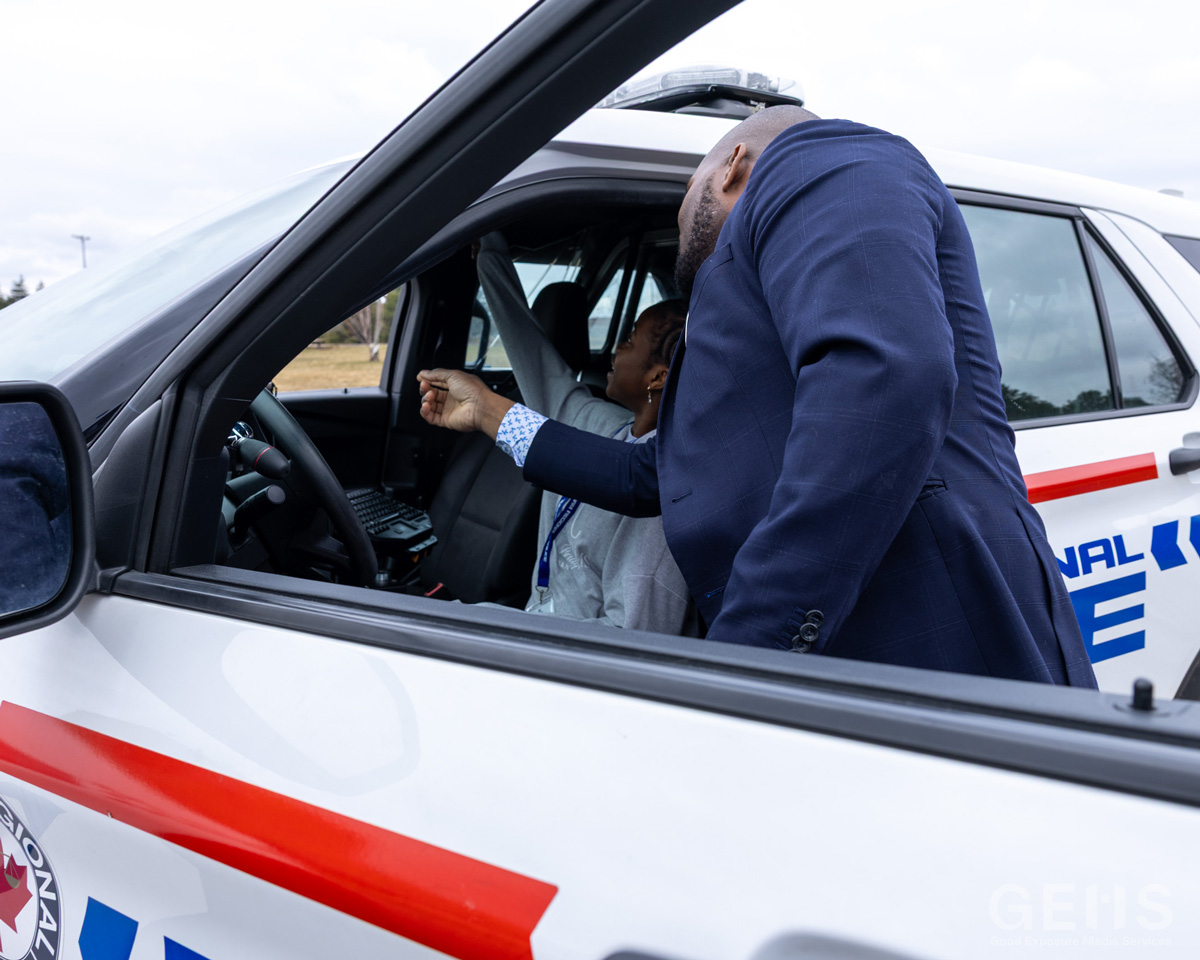
- Hands-On Experience: Police vehicles, equipment, and specialized units
- Leadership & Community Impact: Youth leadership discussions and community-focused activities
- Physical Activity & Recreation: Yoga, pilates, learning stretching techniques, hydration education, track activities, and light recreational sports (e.g., basketball, soccer, dodgeball), ensuring accessible and engaging participation for all comfort and interest levels
Get Involved
For more information about the Building Bridges Program or how to get involved, please contact: programs@inclusionincanadiansports.ca

